Free things to do in Cambridge - a member's guide
A city's character is often in what it gives away: the best of Cambridge at no cost.
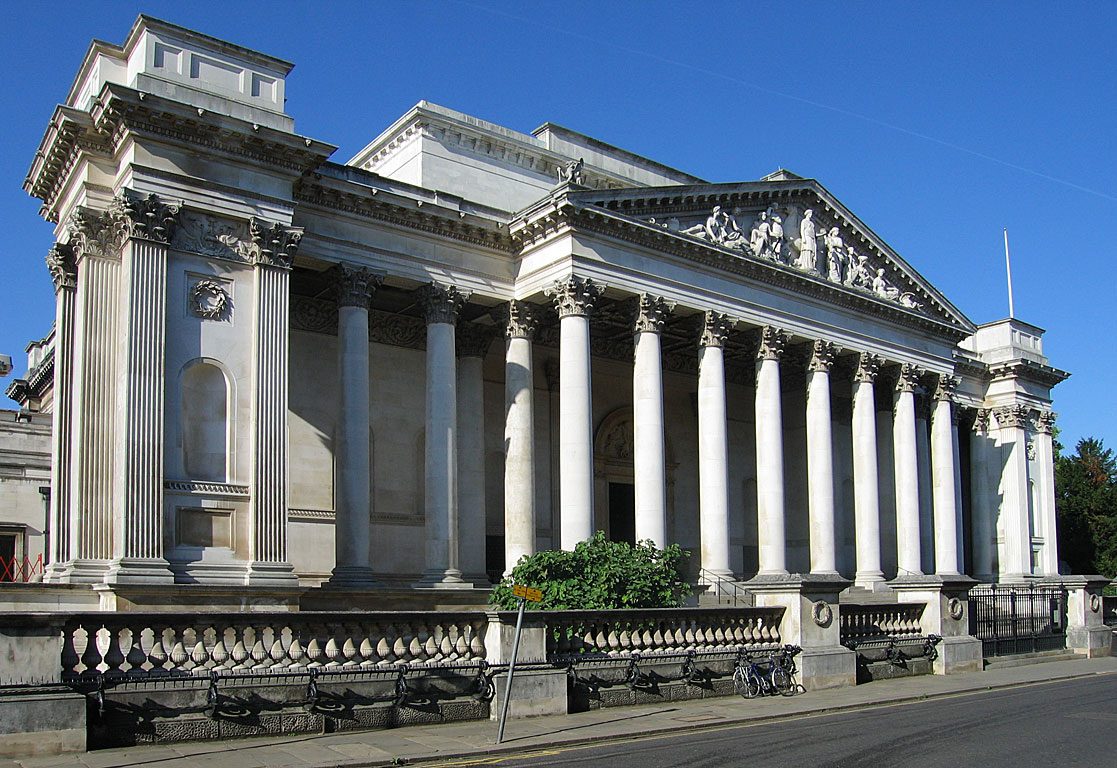
Cambridge offers a wealth of world-class experiences without an entry fee, making its cultural and natural heritage accessible to all. From internationally renowned museums showcasing millennia of art and scientific discovery to tranquil riverside walks through iconic college landscapes and peaceful meadows, the city invites exploration and contemplation. These free attractions provide a deep immersion into Cambridge's unique character.
Fitzwilliam Museum
The Fitzwilliam Museum, a majestic institution on Trumpington Street, houses one of the finest collections of art and antiquities in the UK. Its imposing neoclassical facade hints at the treasures within, collected over two centuries. The permanent collections are free to explore, offering a journey through art and human history from ancient civilizations to the modern era.
What you actually see: Visitors encounter a vast array of objects. The Egyptian galleries display sarcophagi, mummified remains, and intricate funerary objects that provide insight into ancient beliefs and daily life. Nearby, the Greek and Roman galleries feature classical sculptures, pottery, and decorative arts. The museum's collection of illuminated manuscripts is particularly notable, showcasing exquisite craftsmanship from the medieval period. European paintings span from the Renaissance masters like Titian and Veronese to Dutch Golden Age artists such as Rubens and Van Dyck, through to British portraiture by Gainsborough and Reynolds. The 19th and 20th-century galleries present works by Impressionists and Post-Impressionists, including Monet, Renoir, Degas, and Cézanne. Beyond paintings, the applied arts galleries showcase ceramics, glass, furniture, and silver from various periods. The East Asian galleries feature a significant collection of Chinese, Japanese, and Korean art, including ceramics, bronzes, and jades. A dedicated coin room displays an impressive numismatic collection, offering a unique perspective on economic and cultural history.
Why it is worth the time: The Fitzwilliam offers an unparalleled breadth of human creativity and history under one roof. It provides a chance to see masterpieces often found only in major capital cities. The museum's curatorial excellence ensures that each object is presented with context and clarity. For anyone with an interest in art, archaeology, or history, a visit here is an enriching experience that can easily fill several hours or an entire day. It's a place for quiet contemplation and profound discovery, appealing to all ages, from school groups to seasoned art enthusiasts.
Kettle's Yard
Nestled on Castle Street, Kettle's Yard offers a distinctive, intimate encounter with art and design. This is not a typical gallery but rather the preserved home of Jim Ede, a former curator at the Tate Gallery, and his wife Helen. From 1957, they created a living space that seamlessly integrated 20th-century art with natural objects and everyday life. The house itself is a work of art, designed for natural light and contemplation, reflecting Ede's philosophy that art should be part of daily existence, not merely confined to a gallery.
What you actually see: Upon entering, visitors step into a carefully arranged domestic environment. The collection includes works by artists such as Henri Gaudier-Brzeska, Barbara Hepworth, Ben Nicholson, and Alfred Wallis. Gaudier-Brzeska's powerful sculptures are displayed alongside Nicholson's abstract paintings and Wallis's naive seascapes, often depicting Cornish fishing villages. Crucially, these artworks are not isolated on white walls but are presented in conversation with found objects-smooth pebbles, pieces of glass, shells, dried flowers, and even a lemon placed on a windowsill, chosen for its form and colour. The interplay of light, texture, and form is central to the Kettle's Yard experience. You see books, furniture (some designed by Ede himself), and personal items, all contributing to the unique atmosphere of a home rather than a museum. The natural materials and light create a sense of calm and harmony, inviting visitors to slow down and observe.
Why it is worth the time: Kettle's Yard provides a unique, contemplative experience of art that challenges traditional museum viewing. It offers insight into a particular aesthetic philosophy-one of living with art and finding beauty in the everyday. The intimate scale allows for a personal connection with the collection, making it a serene escape from the bustling city. It demonstrates how art can enrich a living space, encouraging visitors to look differently at their own surroundings and consider the beauty in seemingly ordinary objects.
Museum of Zoology
Located within the David Attenborough Building on New Museums Site, the Museum of Zoology is a natural history treasure trove, showcasing the diversity of the animal kingdom. Its extensive collections, comprising millions of specimens, are used for research and teaching, but also serve as a fascinating public display, inviting visitors to explore the wonders of evolution.
What you actually see: The museum's central hall immediately captivates with the enormous skeleton of a fin whale, suspended dramatically from the ceiling. Around it, visitors encounter a vast array of animal specimens. There are skeletons of large mammals, including giraffes and elephants, alongside taxidermied birds and mammals from around the globe, such as a Siberian tiger and various primate species. Displays feature diverse groups like insects (including vibrant butterflies and beetles), molluscs, and marine invertebrates, showcasing their intricate forms and adaptations. The museum holds an important collection of dinosaur fossils, including impressive Ichthyosaur and Plesiosaur skeletons, offering a glimpse into prehistoric life. A significant highlight is the collection of specimens gathered by Charles Darwin during his voyage on HMS Beagle, including the famous Galapagos finches, which were instrumental in developing his theory of natural selection. The exhibits are thoughtfully arranged to illustrate evolutionary relationships and the incredible adaptations of different species to their environments.
Why it is worth the time: This museum offers an impressive scale and variety of specimens, making it an excellent resource for understanding biodiversity and evolutionary history. The sheer size of some exhibits, like the whale and giraffe skeletons, is breathtaking and inspiring, especially for younger visitors. It provides a direct, tangible connection to the natural world and the history of scientific discovery, particularly through its strong links to Darwin's work. Educational for all ages, it sparks curiosity about the animal kingdom and the processes that have shaped life on Earth.
Whipple Museum of the History of Science
Tucked away in the historic department of History and Philosophy of Science on Free School Lane, the Whipple Museum offers a focused journey through the evolution of scientific thought and technology. It houses an outstanding collection of scientific instruments and apparatus, gathered since 1944, providing a tangible link to centuries of intellectual endeavour.
What you actually see: The museum's displays feature instruments from the Middle Ages to the present day. Visitors can examine a wide array of globes, showcasing how our understanding of the world (and the cosmos) has changed over centuries, from Ptolemaic to Mercator projections. There are telescopes and microscopes, from intricate early examples by Dutch makers to more refined 19th-century models, illustrating advancements in observation that revolutionized biology and astronomy. Sundials, astrolabes, and quadrants demonstrate historical methods of timekeeping and celestial navigation, crucial for exploration and trade. Early calculating machines (like Napier's bones), surveying equipment (theodolites), and medical instruments like surgical tools and anatomical models provide insight into practical applications of science and the development of various professions. Photographic equipment from its earliest forms, including daguerreotypes and early cameras, is also on display. Each piece tells a story of human ingenuity and the pursuit of knowledge across disciplines such as astronomy, navigation, physics, and medicine.
Why it is worth the time: The Whipple Museum provides a unique, tangible connection to the history of scientific discovery. It reveals how knowledge was acquired, measured, and transmitted through the centuries, offering a profound appreciation for the intellectual journey of humanity. The craftsmanship of many of the older instruments is remarkable, making them objects of beauty as well as scientific importance. It's a niche but utterly fascinating collection for anyone interested in the history of ideas and the development of technology, showcasing the foundations upon which modern science is built.
A Stroll Along The Backs
One of Cambridge's most iconic and picturesque experiences is a walk along The Backs. This scenic stretch refers to the backs of several Cambridge University colleges that border the River Cam. It offers breathtaking views of historic architecture, manicured lawns, and the tranquil river itself, providing a quintessential vision of academic serenity.
What you actually see: From various vantage points, including the public footpaths and bridges (like King's Bridge), you can admire the famous King's College Chapel dominating the skyline, its Gothic spires reflected in the water. You will see the elegant bridges of Clare College and King's College, and further along, the distinctive Bridge of Sighs at St John's College, an enclosed walkway that resembles its Venetian namesake. The immaculate college lawns, often stretching down to the riverbank, create a verdant contrast with the ancient stone buildings. Punts glide gracefully along the River Cam, carrying sightseers, adding to the quintessential Cambridge scene. Willow trees hang over the water, their branches almost touching the surface, and ducks and swans are common sights, contributing to the peaceful atmosphere. The architectural grandeur of Trinity College and Queens' College (with its mathematical bridge) are also visible from various points.
Why it is worth the time: The Backs offer some of the most enduring and beautiful views of Cambridge. It is a relaxing and invigorating walk, perfect for photography and quiet contemplation, offering a different perspective on these historic institutions. This view of the colleges-from across the river-is distinct from walking through their main courts and provides a broader sense of their scale and beauty. It is a quintessentially English university town experience, capturing the serene academic atmosphere that defines Cambridge and making it a must-do for any visitor.
The Grantchester Meadows Towpath
For those seeking a longer, more rural escape, the walk along the towpath from Cambridge to Grantchester is a cherished local tradition. This pleasant riverside path leads you out of the city and into the idyllic English countryside, ending in the charming village of Grantchester, known for its literary connections and pastoral beauty.
What you actually see: The walk begins by following the River Cam, gradually transitioning from urban parkland (like Coe Fen) to open meadows. The path is flat and well-maintained, making it accessible for most walkers and cyclists. You will pass through fields where cows often graze peacefully, adding to the pastoral scene that has inspired poets for centuries. The river itself is a hive of activity, with punters navigating their way, and rowers from various university clubs training. As you approach Grantchester, the spire of its historic church (St Andrew and St Mary) becomes visible, signalling your destination. The path eventually leads you directly into the village, where the famous Orchard Tea Garden, a popular spot with literary connections to Rupert Brooke, Virginia Woolf, and E.M. Forster, can be seen from the path, inviting you for a cream tea.
Why it is worth the time: This walk offers a delightful escape from the city's bustle into peaceful countryside, providing a refreshing contrast to the academic intensity of Cambridge. It is an authentic Cambridge experience, popular with locals for exercise, fresh air, and a change of scenery. The literary associations with Grantchester add a layer of historical charm, connecting you to the lives of famous intellectuals. It is a perfect activity for a leisurely afternoon, providing both physical activity and a deep connection to the natural beauty surrounding Cambridge.
Making the Most of Your Free Cambridge Visit
To ensure a fulfilling and smooth exploration of Cambridge's free attractions, consider these practical tips: Check Opening Hours: Always verify the current opening times and any temporary closures on the official websites of museums and colleges before your visit. Some institutions may have varied schedules or require pre-booking for specific exhibitions, even if general admission is free. Plan Your Route: Cambridge is compact, but attractions are spread out. Grouping nearby sites, such as the Museum of Zoology and Whipple Museum on New Museums Site, can save time and energy. Use a map or a reliable navigation app to navigate between locations efficiently. Embrace Walking: Many of Cambridge's best sights, including The Backs and the college exteriors, are best experienced on foot. Wear comfortable shoes, as you'll likely be doing a lot of walking across cobbled streets and grassy paths. Pack a Picnic: For outdoor excursions like the Grantchester Meadows walk, bringing your own snacks and drinks can enhance the experience and save money. There are many scenic spots along the river or in the meadows perfect for a break. Utilize Public Transport for Distant Sites: While most central attractions are walkable, consider local buses if you're heading further afield, like to the outskirts for specific college walks, or if mobility is a concern. The Cambridge Park & Ride system is also a convenient option for getting into the city centre. Look for Free Talks and Tours: Many museums, like the Fitzwilliam, often offer free gallery talks or introductory sessions led by curators or volunteers. Check their event calendars online for opportunities to deepen your understanding of their collections. Respect College Rules: When walking through college grounds (where public access is permitted), be mindful of students and staff. Stick to designated paths, avoid disturbing private areas, and observe any signage regarding photography or access, as some areas may be restricted. Capture the Moment: Cambridge offers countless photo opportunities, from grand architecture to serene river scenes. Don't forget your camera, but always be respectful of privacy in busy areas and avoid flash photography in museums where it might damage delicate exhibits.
Frequently asked questions
Are these locations suitable for families with children?
Many of Cambridge's free attractions are highly engaging for younger visitors. The Museum of Zoology, with its towering whale skeleton and diverse animal displays, often captivates children. The Fitzwilliam Museum offers various family-friendly trails and activities, while the open spaces of The Backs and the Grantchester towpath provide ample room for energetic play and discovery. Kettle's Yard, with its intimate setting and focus on quiet contemplation, might appeal more to older children interested in art and design rather than very young ones. Always check individual websites for specific family programs and age recommendations.
How much time should I allocate for visiting these free attractions?
The time required varies significantly. For a comprehensive visit to the Fitzwilliam Museum, one could easily spend two to three hours, or even a full day if exploring multiple galleries in depth. Kettle's Yard offers a more intimate experience, typically requiring 45 minutes to an hour. The Museum of Zoology and Whipple Museum are usually explored within an hour to an hour and a half each. Walking The Backs can take 30-60 minutes depending on your pace and how many scenic spots you stop at, while the round trip to Grantchester and back along the towpath typically requires two to three hours, allowing for leisurely enjoyment.
Are there any free guided tours available for these sites?
While specific guided tours for permanent collections are not always guaranteed free, many institutions offer introductory talks or self-guided materials at no cost. The Fitzwilliam Museum often provides free gallery talks on specific collections or themes, which are announced on their website's events page. For outdoor areas like The Backs or the Grantchester towpath, self-guided exploration with a map or an online guide is the primary method. Some student-led walking tours of the city might offer free options or "pay-what-you-can" models. Always check the individual institution's website for the most current information on free activities or downloadable resources.
This is an independent member's guide compiled by Cambridge Society. We are not affiliated with the venues and institutions mentioned; opening arrangements and programmes change - always confirm details on the official websites before making plans.
← Back to Events