Beyond King's - the college chapels of Cambridge
Everyone queues for King's. The other chapels are quieter, and several are just as remarkable.
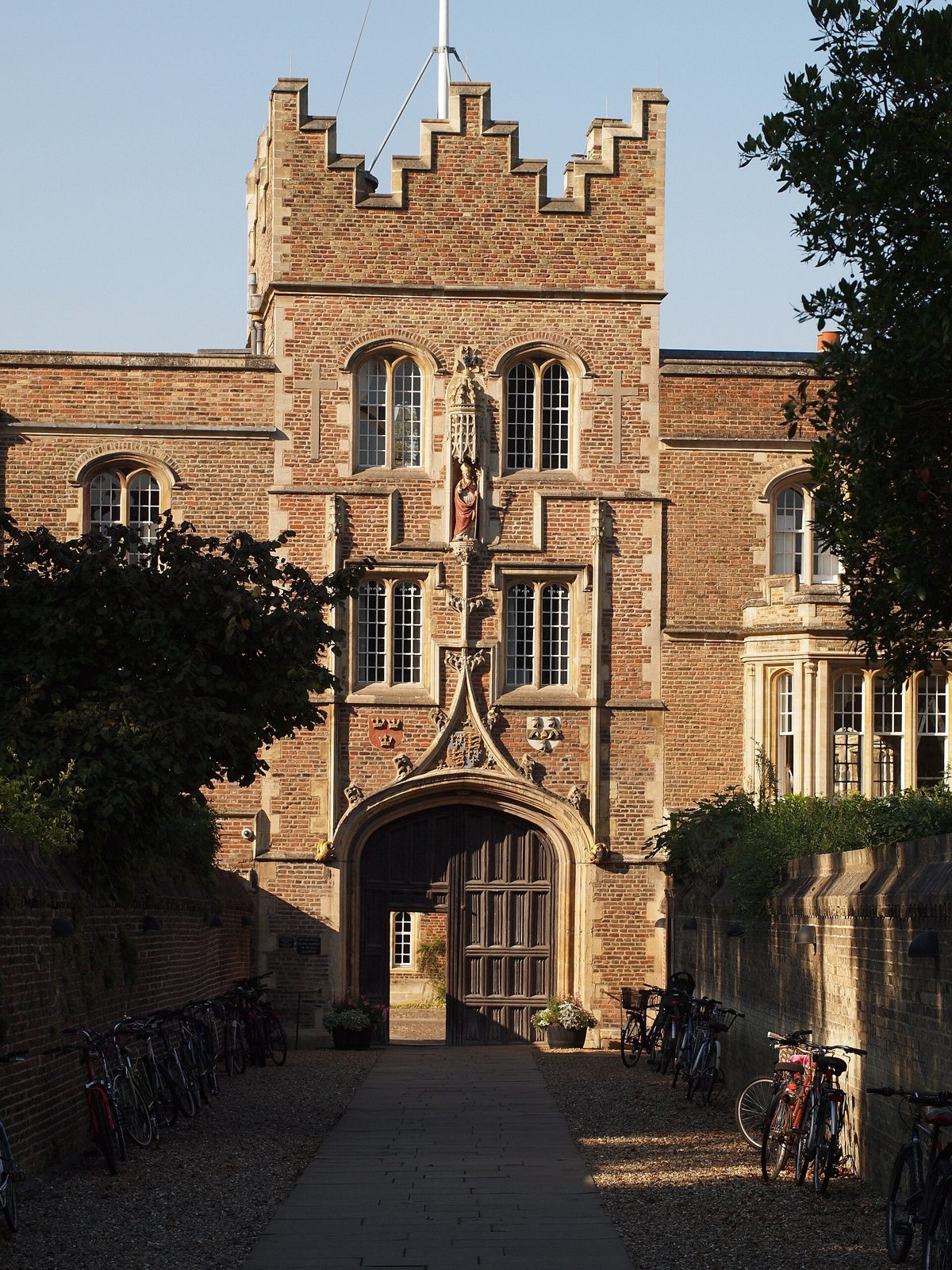
This guide covers six Cambridge college chapels that reward close looking: Trinity, St John's, Jesus, Pembroke, Emmanuel and Peterhouse. Each entry names the architect or decorator, gives a rough date, and points to details inside. King's College Chapel is deliberately excluded because it already dominates most itineraries.
Trinity College Chapel and its ante-chapel statues
Trinity College Chapel was designed by George Gilbert Scott and completed in the 1860s. It replaced earlier chapel arrangements and gave Trinity a large, confident Victorian Gothic space suited to a wealthy and academically ambitious college.
What to look for: The ante-chapel, which holds statues of distinguished Trinity alumni and fellows The long nave and its decorative stonework Memorials that connect the building to the college's intellectual history
The statues are the point of the visit for many people: they turn the ante-chapel into a compact gallery of Cambridge reputation, with figures associated with science, politics, literature and public life.
St John's College Chapel by George Gilbert Scott
St John's College Chapel is also by George Gilbert Scott, built in the 1860s. It is one of the most prominent Victorian Gothic chapels in Cambridge and sits at the heart of the college's historic courts.
Inside, look for the scale of the interior, the carved detail, and the way the chapel anchors the older college buildings around it. It feels more monumental than many college chapels, which is part of its character rather than a flaw.
Jesus College Chapel and its Morris & Co. decoration
Jesus College Chapel has medieval origins and was later decorated with work associated with Morris & Co., the firm founded by William Morris. The Pre-Raphaelite connection matters here: the decoration brings colour, pattern and craft into an older architectural shell.
Look for: Stained glass and decorative surfaces linked to Morris & Co. The contrast between medieval structure and nineteenth-century ornament Quiet corners where the college's older fabric remains visible
The chapel is a good example of how Cambridge colleges adapt historic buildings rather than replacing them.
Pembroke College Chapel, Wren's first completed building
Pembroke College Chapel was designed by Christopher Wren and is generally described as his first completed building. It was finished in the 1660s, after the Restoration, and represents a very different Cambridge aesthetic from the Gothic chapels nearby.
Inside, look for Wren's classical restraint: clean lines, balanced proportions and a sense of measured light. It is smaller and calmer than many college chapels, which makes its architectural confidence more striking.
Emmanuel College Chapel by Wren
Emmanuel College Chapel is another Wren chapel, completed in the 1670s. It belongs to the same classical tradition as Pembroke but has its own setting and proportions.
What to notice: The Wren detailing and classical vocabulary The chapel's relationship to Emmanuel's courts and gardens The quieter, more domestic scale of the interior
Together, Pembroke and Emmanuel show Wren working within college life rather than on a grand cathedral scale.
Peterhouse Chapel
Peterhouse Chapel is the oldest surviving college chapel in Cambridge in origin, with medieval fabric and later furnishings. It belongs to Peterhouse, the oldest college in the university, and feels accordingly older and more enclosed than the Victorian chapels.
Look for the medieval character of the space, the accumulated memorials, and the contrast with the later Wren and Gothic chapels elsewhere in the city. It rewards slow looking rather than a quick photograph.
Frequently asked questions
Which of these chapels is best for someone interested in architecture?
Pembroke and Emmanuel are the natural choices for Wren and classical architecture, while St John's and Trinity are strong for Victorian Gothic. Jesus offers the added interest of older fabric combined with Morris & Co. decoration. Peterhouse is valuable for medieval survival.
Can I plan a route around all six chapels in one day?
Yes, but keep the day realistic. Cambridge colleges are close together, yet each chapel visit involves walking through college grounds and respecting local rules. Group Trinity and St John's near the river, then move toward Jesus, Pembroke, Emmanuel and Peterhouse.
Do these chapels still serve a religious purpose?
They remain active college chapels, used for services, music and college occasions. Access arrangements vary by college, term and event, so check the relevant college's current visitor guidance before travelling. Do not assume that a chapel visit is available at all times.
This is an independent member's guide compiled by Cambridge Society. We are not affiliated with the venues and institutions mentioned; opening arrangements and programmes change - always confirm details on the official websites before making plans.
← Back to Guides